Fatherland
By Joanna Langfield
Pawel Pawlikowski’s most remarkable look at reconciliation almost wrecked me.
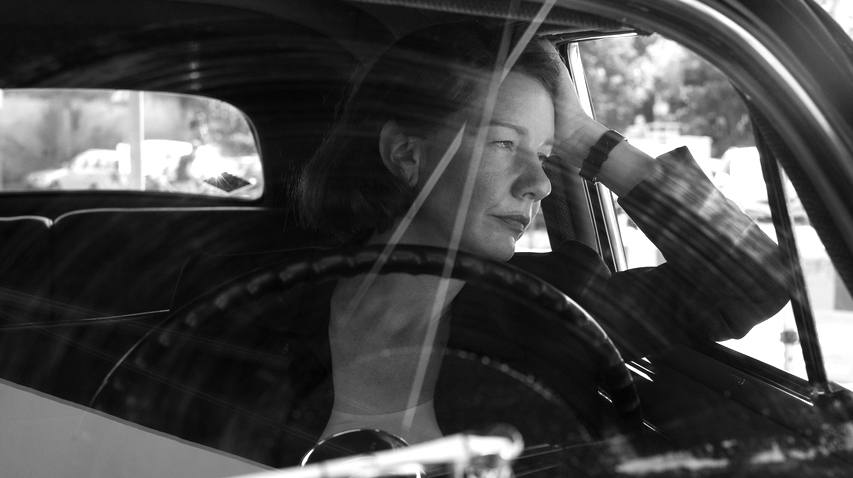
This compact stunner is drawn from Colm Toibin’s compelling biographical novel, The Magician, which looks at the life of the Nobel Prize winning author, Thomas Mann. In this chapter, the writer returns to Germany after 16 years of self imposed exile. It is 1949, his Fatherland is regrouping after its World War 2 defeat and countries are now waging a Cold War. Mann, along with his wary daughter, drive through the ruins as Mann is welcomed back to a homeland that may or may not have evolved as much as they think they have.
But Mann is facing yet another war. It is a war with his family, the shattered children he neglected, devoted to the work that drew love and admiration from strangers.
In an astonishingly tight 82 minutes, Pawlikowski tackles the questions of obligation, identity, and commitment, as well as his previously explored focus on war torn Europe. That alone makes this film stand far and away from the super long, super effected brightly colored movies that aim to give ticket buyers their moneys worth. Yet, even more impactful is the telling of this multi-dimensional story. German actor Hanns Zischler brings a chilling sense of not just the man but the country that influenced his upbringing and perspective. Of course, it is no surprise how great Sandra Huller is as the loyal but questioning daughter. Perhaps nobody builds from a slow burn to an emotional burst as well as she does and her work here is brilliant.
I won’t give away the almost shockingly emotional final scene of the film but prepare yourself for a shift that not only works on level after level, but drew me to tears I haven’t shed for any other film this year.


Leave a Reply